Brushing Scams (Scam Information)
What is a "Brushing" Scam?
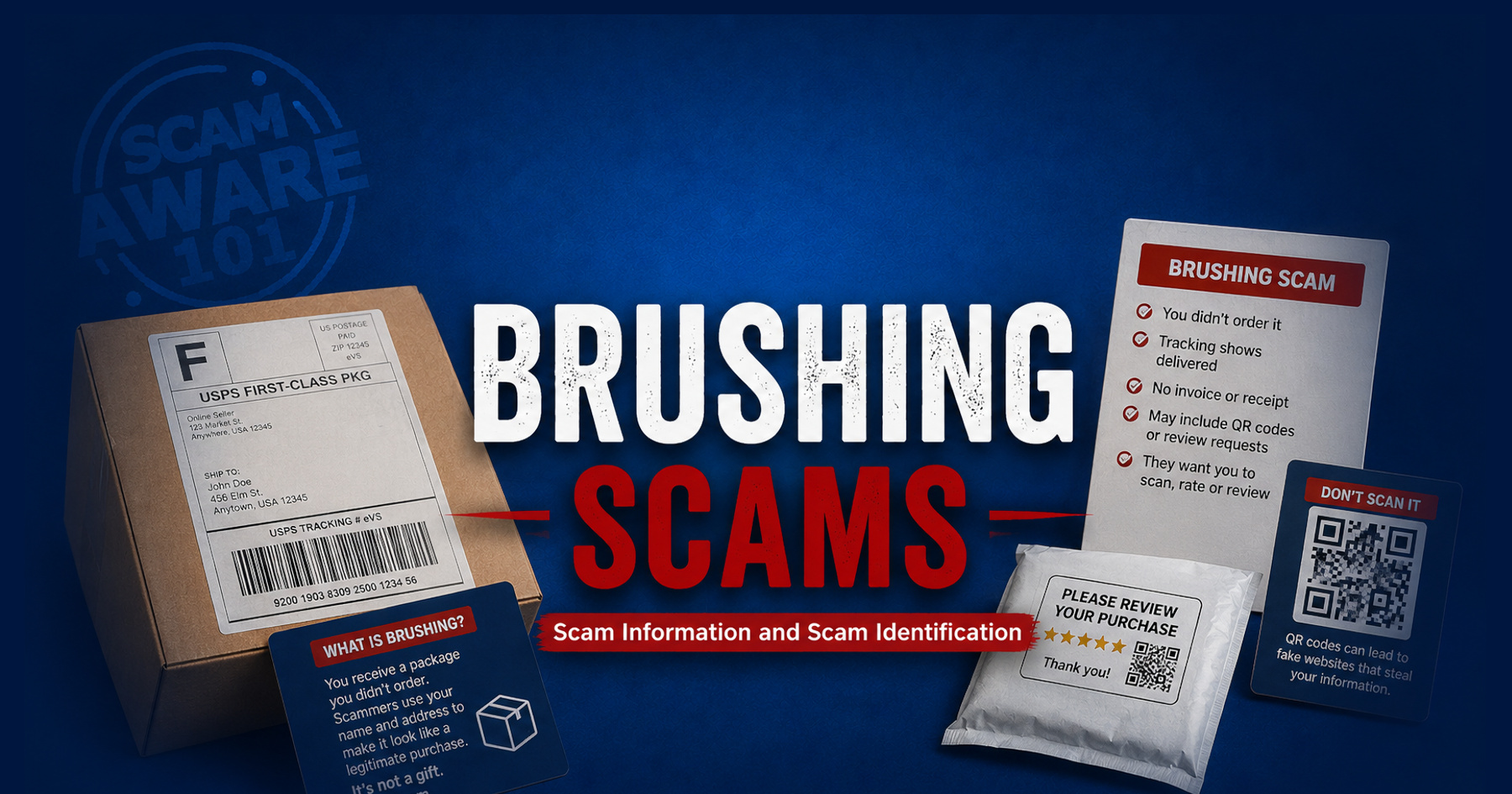
A brushing scam happens when a seller or third-party scammer sends unordered merchandise to a real person so they can create fake purchase records and post false reviews. The package may contain cheap items such as jewelry, seeds, small electronics, accessories, or other low-cost goods. The scammer uses the recipient's name and address to make the order look legitimate. Once the shipment is marked as delivered, the scammer may use that transaction to leave a fake verified review or improve a seller ranking on an online marketplace. Victims usually do not lose money directly from receiving the package, but the scam means their personal information is being used without permission. In some cases, the shipment may also be part of a larger account misuse, data leak, or marketplace manipulation scheme.
How the Scammers Target New Victims:
Brushing scammers usually target people whose names, mailing addresses, phone numbers, or email addresses have been exposed through data brokers, old online orders, public records, breached databases, or marketplace accounts. The victim often first learns about the scam when an unexpected package arrives at their home. Some packages arrive through major carriers such as USPS, UPS, FedEx, Amazon Logistics, or other delivery services. The scammer may not contact the victim directly at all. In other cases, the victim may receive confusing tracking notices, delivery emails, or messages connected to an order they never placed.
Who the Scammers Impersonate:
Brushing scammers may impersonate:
- Online marketplace sellers
- Amazon, Walmart, eBay, Temu, Shein, or other retail platforms
- Third-party fulfillment companies
- Shipping or delivery companies
- Product review programs
- Legitimate small businesses
- Unknown sellers using fake store names
How to Spot a "Brushing" Scam:
What the Scammers Say (Scam Narratives / Fake Storylines):
Brushing scams often do not include a direct message from the scammer. The fake storyline is created through the package itself, which makes it look like the recipient ordered or received a legitimate product. If the victim contacts the seller or platform, the scammer may claim the item was a gift, a promotional sample, a warehouse mistake, or a shipping error. In some cases, scammers may say the package was part of a review program or customer reward. The goal is to make the shipment appear normal enough that the victim does not report it. The scammer may then use the delivery record to support fake reviews, fake sales volume, or seller reputation manipulation.
Information the Scammers Ask For:
In many brushing scams, the scammer does not need to ask the victim for anything because they already have the victim's name and address. If contact occurs, the scammer may try to confirm the recipient's address, phone number, email address, marketplace account details, or delivery information. A fake customer service contact may also ask the victim to click a link, scan a QR code, provide order details, or log in to a retail account. Scammers may ask the victim to return the item using a suspicious label or pay a small "processing" or "shipping correction" fee. These requests can turn a brushing incident into identity theft, phishing, or payment fraud.
Scam Warning Signs and Red Flags:
Warning signs include receiving a package you did not order, seeing your name and address on a shipment from an unfamiliar seller, or finding no matching order in your retail accounts. Other red flags include cheap or random merchandise, vague sender information, foreign return addresses, suspicious QR codes, and tracking numbers that do not match any order you placed. You may also notice fake reviews posted under your name or unusual activity on an online shopping account. Be cautious if anyone asks you to pay a fee, confirm personal details, return the item through an unusual process, or click a link related to the unexpected package. A package labeled as a gift, sample, or promotion can still be part of a brushing scam.
Victim Experiences and Scam Reports:
Victims commonly report receiving random items they never ordered, often with no useful sender information or invoice. Many people are confused because the package may look legitimate and may arrive through a trusted delivery carrier. Some victims later discover that their name or address was used to create fake marketplace reviews. Others worry that a retail account, payment card, or personal data may have been compromised. In many reports, the item has little value, but the bigger concern is that personal information is circulating among sellers, scammers, or data brokers. Victims may also experience repeated shipments if their information continues to be used by the same seller network.
Protect Yourself from "Brushing" Scams:
Dangerous Actions to Avoid:
Do not pay any fee connected to an unordered package. Do not scan QR codes, click links, call suspicious phone numbers, or provide personal information to the sender. Do not log in through links in emails or texts about the package. Do not return the item using a label from an unknown sender without verifying the situation through the official marketplace or carrier website. Do not ignore signs of account compromise, such as unknown orders, password reset emails, unfamiliar saved addresses, or payment card activity. Avoid posting photos of the package online if the label shows your address, tracking number, phone number, or other personal details.
Best Practices to Stay Safe:
Check your retail accounts directly through the official app or website to see whether any unknown orders were placed. Change the password on any shopping account that may be connected to the shipment, and enable two-factor authentication where available. Review your payment cards and bank accounts for unfamiliar charges. Report the unordered package to the marketplace, the seller platform, or the delivery carrier when possible. Keep the packaging, tracking number, and sender information in case you need to file a report. You can also monitor your credit, review data broker exposure, and consider a credit freeze if you suspect broader identity theft risk.
Key Takeaways to Stay Safe:
A brushing scam is not just a harmless mystery package. It means someone may be using your personal information to support fake sales, fake reviews, or account manipulation. You usually do not have to pay for or return unordered merchandise, but you should still check your accounts and report suspicious activity. Treat any follow-up message, QR code, payment request, or personal information request as suspicious. Protect your shopping accounts with strong passwords and two-factor authentication. The main goal is to prevent a small unordered-package incident from becoming phishing, account takeover, or identity theft.


